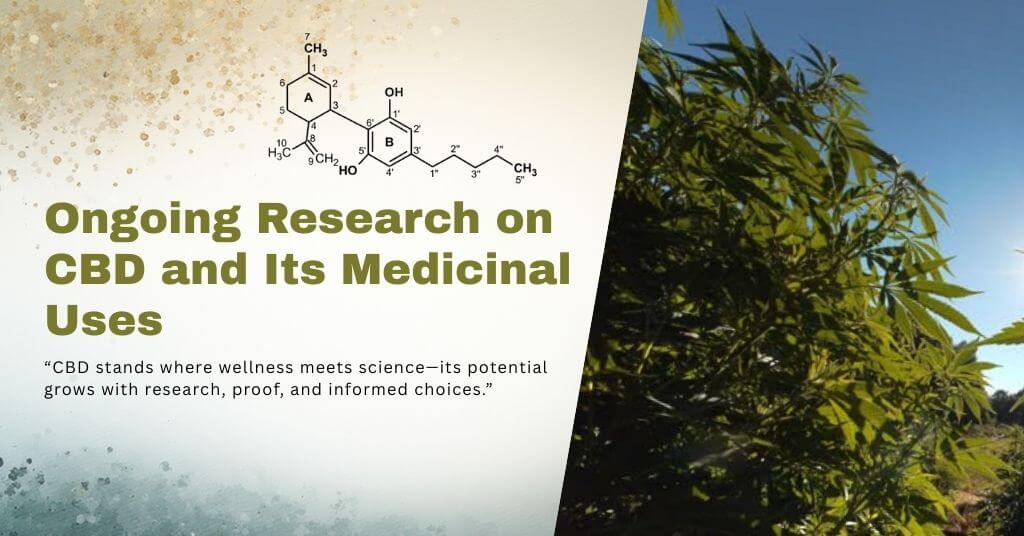
Cannabidiol (CBD) is a natural compound from the cannabis plant. It does not make people feel high. In recent years, many people have started using CBD for anxiety, sleep problems, pain, and inflammation. But what does science really say? According to CBD research facts, strong evidence supports CBD for certain seizure disorders. At the same time, scientists are still studying how CBD may help with anxiety, pain, sleep, inflammation, and brain health. Even though early results look promising, solid proof and quality products remain important.
What Makes CBD Different From Other Cannabis Compounds?
CBD does not cause intoxication. This is why researchers study it widely for wellness and health support.
CBD also works with the body’s endocannabinoid system, which helps control:
Pain response
Mood balance
Sleep cycles
Immune function
Because of this, CBD has become an important focus in modern wellness research.
Scientifically Supported Use: Epilepsy Care
The most important finding is CBD’s medical effectiveness in anti-epileptic medication.
Particularly:
FDA-approved (Epidiolex) to treat rare seizure disorders.
Studies also proven the reduced frequency of seizures.
Scientists verify the consistency of the findings through different trials and errors.
As a result, epilepsy is still the most proven medical application of CBD.
CBD Research for Stress and Mental Wellness
Research studies are going on to find CBD’s role in treating conditions related to stress.
Studies have shown that:
Cannabidiol could support calmness and relaxation.
Fewer anxiety symptoms are reported in trials.
Results will vary depending on the dosage and response of the individual. But scientists are still calling for broader human studies.
CBD and Inflammation Support
Additionally, CBD is currently under focus for inflammation studies.
Findings indicate:
CBD could affect inflammation indicators
Users are satisfied with comfort and mobility.
Results are inconsistent across scientific trials.
Hence, CBD has been researched extensively but has yet to be proven for reducing inflammation.
CBD and Brain Health Research
CBD studies, on the other hand, are also looking into neurological wellness.
Current studies include:
Neuroprotective effects
Supporting brain cell function
Less neuroinflammation in earlier models. Despite these, human studies remain in progress
CBD for Sleep Balance and Relaxation
In fact, CBD may also serve to promote high-quality sleep.
Research shows that:
CBD can help with relaxation before sleep
Evidence indicates better sleeping habits.
Lower dosages may yield different results from higher ones.
Consequently, dosage-related research is still an area of great importance.
Safety, Quality, and Responsible Use
However, responsible CBD use matters.
Experts emphasize:
Product purity and lab testing
Awareness of medication interactions
Possible side effects such as fatigue or digestive discomfort
Because of this, reputable CBD brands prioritize transparency and compliance.
What CBD Research Does Not Confirm Yet?
However, using CBD properly is important. Experts warn:
Product Purity & Lab Testing
Awareness of medication interactions
Possible side-effects: fatigue or gastrointestinal discomfort
Despite its growing popularity, there is little evidence to show that CBD is effective in curing: * Cancer * or *Heart disease *.
What the Future Holds for CBD Research?
Looking forward, scientists continue to:
Conduct large-scale clinical trials.
Study long-term safety
Refine effective dosing standards.
Ultimately, ongoing research will further define CBD’s role in health and wellness.